Qseven Modules

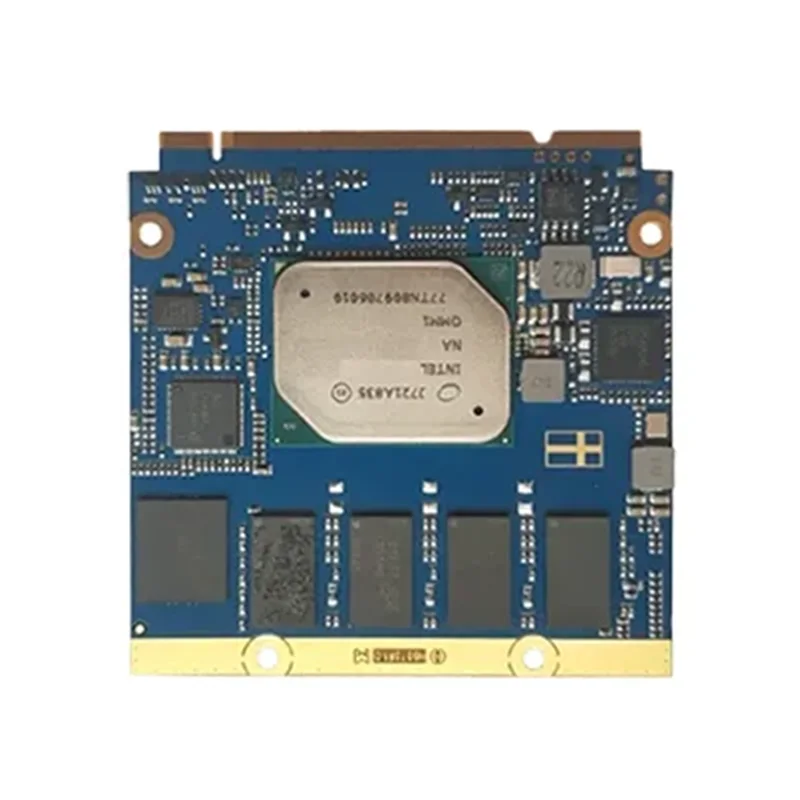
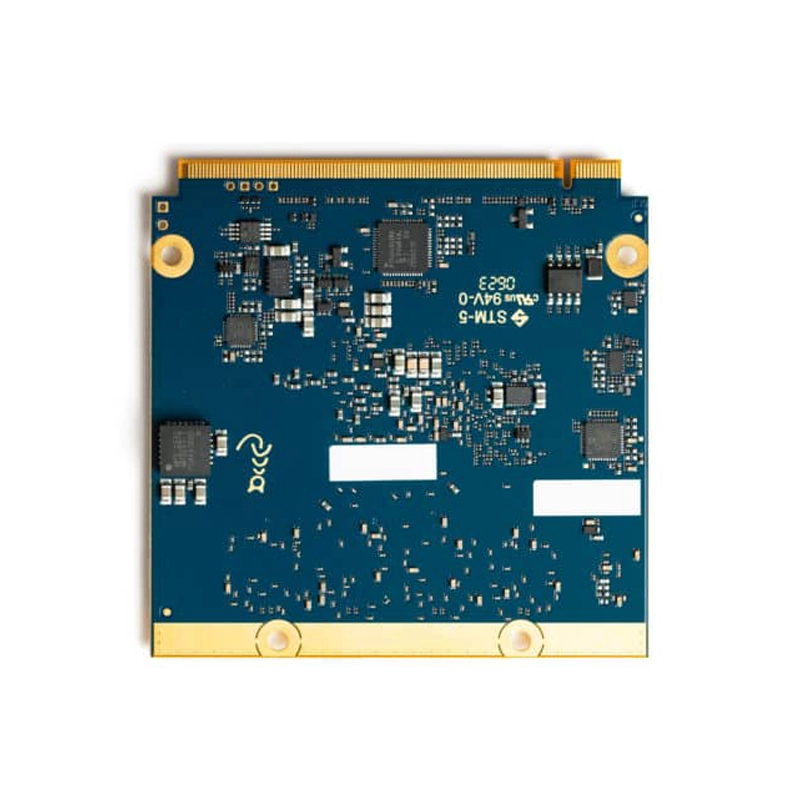
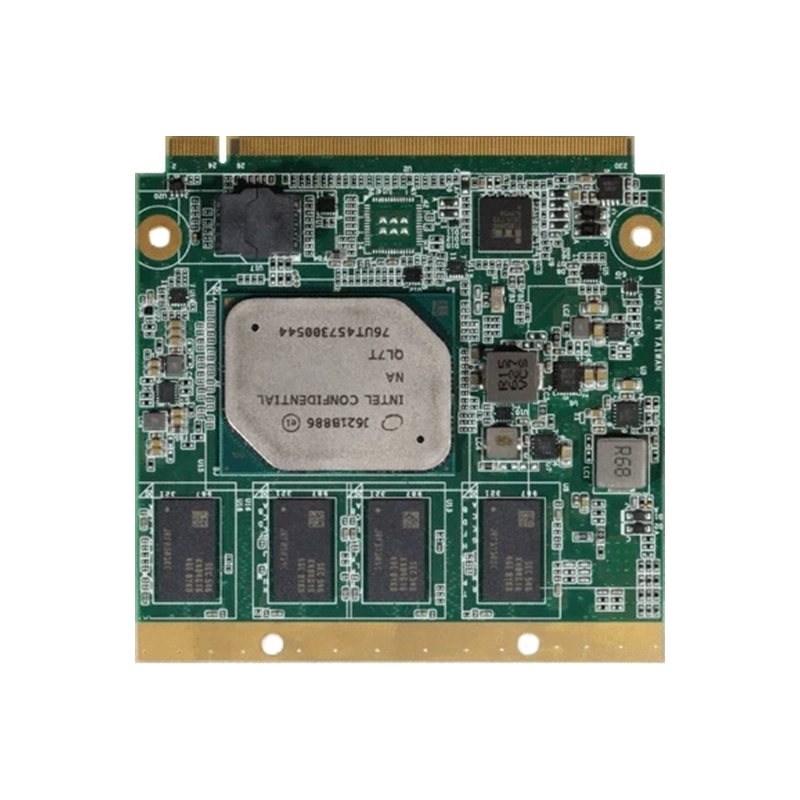
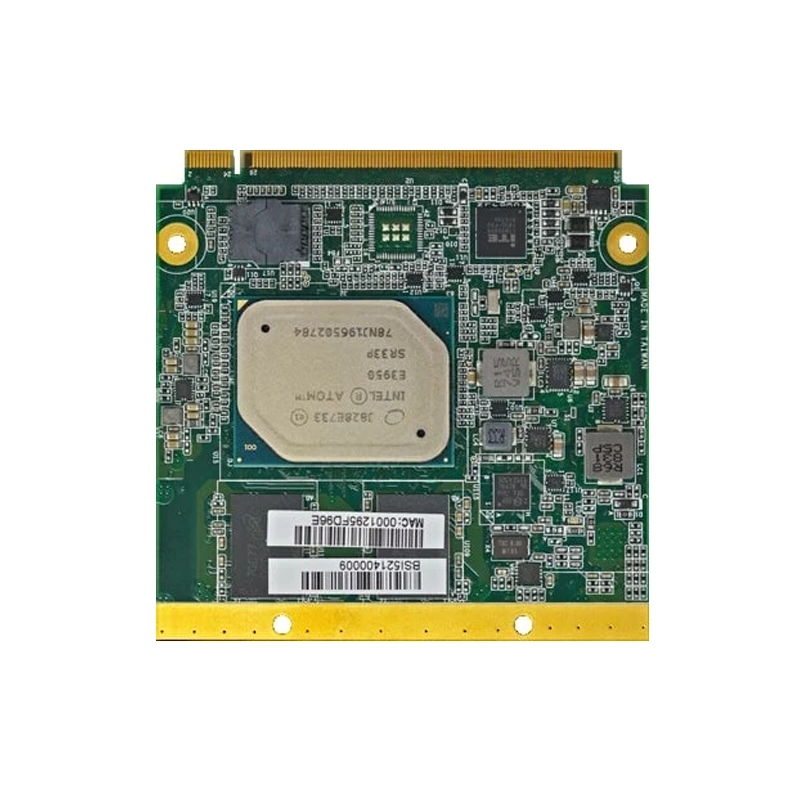
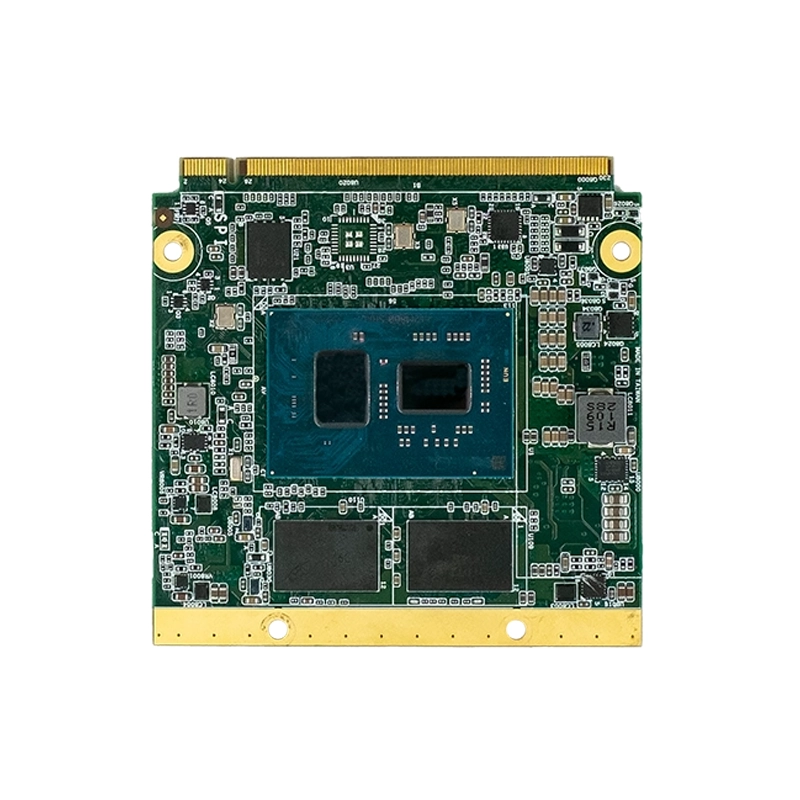
The Qseven (Q7) standard is specifically designed for embedded mobile applications and integrates all core components of a common PC onto the extremely compact board. The Qseven board is mounted onto an application specific carrier board to offer customer-specific requirements. Dimensions are 70 mm x 70 mm with a maximum of 12 watt power consumption. Heat dissipation is kept at a minimum and fan-less operation possible. A robust and cost-efficient 230 pin MXM connector is used to connect the Qseven module with the carrier board. This MXM connector is a well-known high speed signal interface connector that is commonly used for high speed PCI Express graphics.

Discover our Qseven Modules below or

Product listing

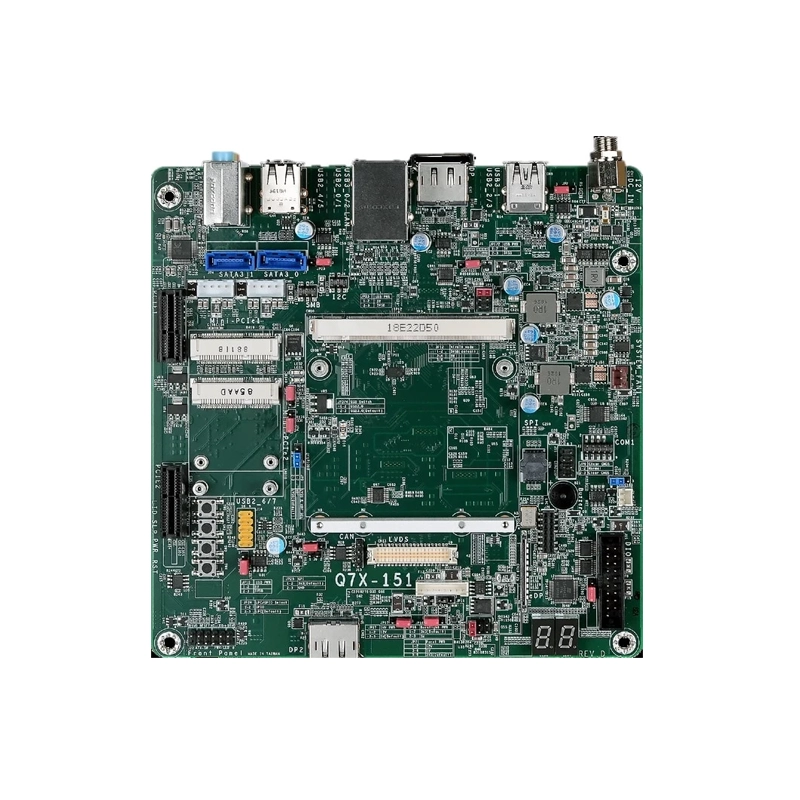
H4103 – Versatile Qseven Carrier Board for Enhanced Embedded Solutions

  • Expansion: 2 PCIe x1, 2 Mini PCIe, 1 SDIO
  • Display outputs: 2 DP, 1 LVCS, 1 eDP
  • USB: 3 USB 3.0, 8 USB 2.0
  • Storage: 2 SATA 3.0

Hectronic H6075

  • Intel® Atom® processors (Apollo Lake)
  • Up to 8GB RAM (soldered DDR3L)
  • 9th Generation of Intel HD Graphics
  • Q7 specification 2.1
  • Standard or Industrial temperature

Hectronic H6089

  • Intel® Atom® processors (Elkhart Lake)
  • Soldered LPDDR4x RAM memory
  • 11th generation Intel® UHD Graphica Engine
  • Q7 specification 2.1
  • Industrial temperature

AL700 – Dual Channel Memory and Triple Displays

  • Intel® Atom® processors (Apollo Lake)
  • Up to 8GB RAM (soldered DDR3L 1600MHz)
  • Q7 specification 2.1
  • Standard or Industrial temperature

AL701 – Intel Atom® E3900 Series Powers Next-Gen Qseven Solution

  • Intel® Atom® processors (Apollo Lake)
  • Up to 8GB RAM (soldered LPDDR4 3200MHz)
  • Q7 specification 2.1
  • Standard or Industrial temperature

EHL700

  • Intel® Celeron processor
  • 4GB/8GB LPDDR4 Single Channel Memory Down
  • 1 DDI*, 1 LVDS*/eDP
  • DP++ resolution supports up to 4096×2160 @ 60Hz
  • Multiple expansions: 4 PCIe x1
  • Rich I/O: 1 Intel GbE, 2 USB 3.1, 8 USB 2.0
  • 15-Year CPU Life Cycle Support Until Q1′36 (Based on Intel IOTG Roadmap)